


Some of us dread gathering with extended family on Thanksgiving Day. Rather than focus on gratitude and enjoying the meal, we end up feeling like roasted turkey. But it doesn’t have to be that way when we learn how not to be a turkey on Thanksgiving Day.
Holidays are strong reminders of the way things used to be. We gather with those who know our quirks, history, and points of irritation. Relationship patterns are so automatic that we don’t realize our part in creating the mess.
Even the anticipation can be stressful. We’re uncomfortable with reminders of loss. Divorce, death, or challenging relationships can make the tradition of gratitude difficult for some and unbearable for others. Some even think thoughts like, I wished we could just skip these next six weeks.
[bctt tweet=”Relationship patterns are so automatic that we don’t realize our part in creating the mess.” username=”JudyKHerman”]
We know that Thanksgiving and other holidays can be triggers to our grief and negative thinking. It’s evident that that kind of emotional and mental energy depletes us from the warm fuzzies of gratitude. But it’s possible to choose different thoughts.
Many of us disregard the basic foundation of our mental, emotional, and relational health. We push ourselves to make things just right to impress our guests. Our ability to handle stress is depleted without a consistent habit of seven to eight hours of sleep each night. Adequate cycles of sleep provide our brains the fresh charge of energy for clarity and awareness. Without proper sleep, we’re not able to cope well in stressful situations.
Slow deep belly breaths help calm impulsive words and actions. It only takes ninety seconds of deep breathing to slow the fight/flight/freeze area of the brain that lights up when we’re triggered. We’re able to access rational thoughts when someone says a mean or hurtful comment. Ancient wisdom teaches us to be quick to hear and slow to speak. (New Testament – James 1:19)
All of us, at times, unintentionally harm others. We don’t realize it because of our own unhealed emotional wounds. With rest and deep breathing, you can control your reactions. You can stop your part of a charged incident.
Deep belly breaths give you ability to reason beyond reactivity. You create neural pathways in your brain that opens up awareness. You’ll be aware of your own body reactions. Emotional triggers affect both our bodies and our minds.
Quiet the racing thoughts and stories in your head that may not be true. Even if they are true, deep belly breaths slow you down enough to gain insight into yourself, the other person, and the incident.
Make it a point to process later through journal-writing or an appointment with your therapist. Your well-being depends on you keeping resentment from building.
[bctt tweet=”Deep belly breaths give you ability to reason beyond reactivity.” username=”JudyKHerman”]
We have mirror neurons in our brains that aid our social connections. When we interact with others, we reflect their gestures, tone, body posture, and behaviors. They reflect us. We smile back when they smile at us. It’s like looking in a mirror.
A smile has the power to disarm another’s frown. Some of us were born smiling while others naturally have stoic faces. A person who looks grumpy might really be concentrating. Or they may be unaware of how they appear to others. Be conscious of how others see you. Practice smiling around those who frown. See if their frown softens with your smile. Here’s more about that: Ways to Diffuse Stress on Thanksgiving
[bctt tweet=”A smile has the power to disarm another’s frown.” username=”JudyKHerman”]
Any change is difficult as we thrive on comfort and security. When our loved one has died, or we’ve experienced divorce, or we’ve moved our family across the country, it’s important to grieve. How we accept change is unique to each of us.
We are meant to grow and change throughout our lives. People, relationships, and circumstances are continually changing. Welcome the reality that our lives will never be stagnant. They’re not suppose to be. It’s part of our humanity to grieve the loss of a loved one and celebrate the birth of new life.
It’s important to know what’s yours and what belongs to another. Your emotions are yours alone. All of us are responsible for our own resilience, emotions, and decisions.
Give yourself permission to let go of others’ expectations of you. You were only meant to handle your own emotions. Others are responsible for themselves.
When you practice the present moment, you’re living that moment to it’s fullest capacity. This could be the single most empowering advice for us all. Hyperfocus on the unfinished business of the past or continuous worry of the future steals away the only time we have in the moment.
Imagine yourself standing still in the middle of a stream. You’re aware of the past like the water flowing toward you from upstream. You’re aware of the future like water flowing beyond you downstream. You feel the cool stream flow around you. Yet, you’re standing still in the present moment.
You now know how not to be a turkey on Thanksgiving Day. Begin your six practices of gratitude.
1. Practice rest
2. Practice belly breaths
3. Practice smiles
4. Practice accepting change
5. Practice what belongs to you
6. Practice the present moment
Sign up for your free Relationships With Purpose Toolkit.
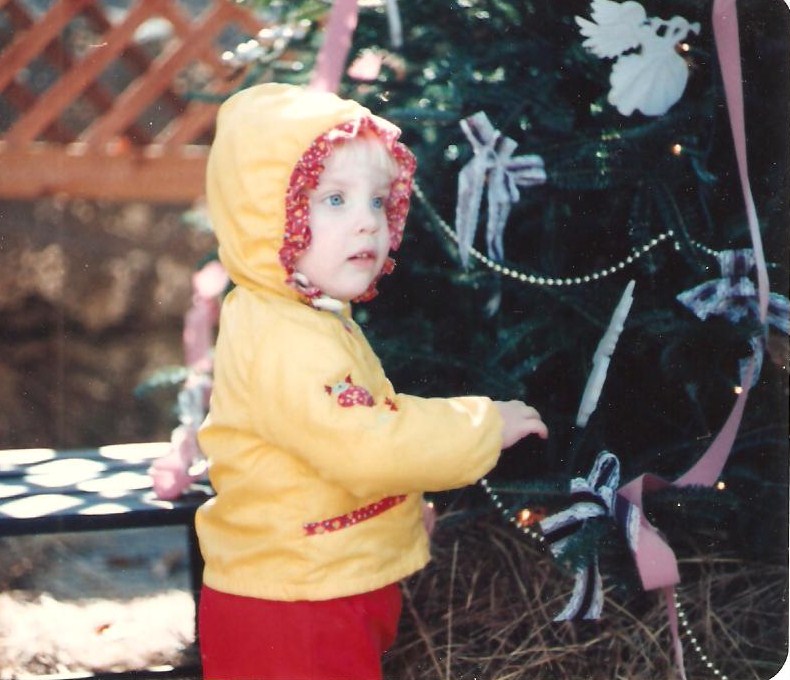
Family stress during holidays can range from mildly challenging to overbearing. Sometimes it’s traumatic losses such as divorce, death, or past trauma. Or invisible tension from emotional abuse, arrogance, manipulation, negativity or other issues. Our personal history can make us vulnerable to reactions and old relationship wounds. We end up with feelings of dread.
These five ways to relieve family stress takes courage, practice, and planning. For some, it takes professional help. If you find yourself overly stressed at the thoughts of being with family, here’s five things to consider.
We’re not even aware when we bring our internal stories and judgments into our heads about others and ourselves. We all desire to be heard, understood, and validated. It’s challenging for us to hold the viewpoints and experiences of another when theirs is radically different from our own.
It takes being intentional to be curious about another who is different than we are. Being open and curious instead of an “I’m-right-and-you’re-wrong” attitude. [bctt tweet=”Curiosity and openness is the beginning of humility and understanding.” username=”JudyKHerman”]
When someone does or says something that instantly stirs your insides, take three deep long breathes – easier said than done. We’re triggered by an embarrassing comment or an unintentional put down. Without knowing it, your brain tells you wordless messages like: “You’re not safe. You’d better walk away. . . or fight. Stand your ground. They are the enemy.” Heart rate and blood pressure rises. The fight, flight, or freeze reaction strikes like lightning.
Deep breathing slows all this down. It only takes 90 seconds for the neuro-pathways to connect with the reasoning part of the brain. Three or four deep belly breaths help make this happen.
Rational thoughts about the same offense may sound like, “I must have been misunderstood . . . they may not be aware of how I just experienced them . . . I’ve said impulsive things before . . . this reminds me of _______ . . . I wonder what’s really going on. . .”
We need about eight positive interactions to cancel out one negative. You’d be surprised at how contagious our thoughts and actions are. Most of us don’t realize how we invite others to respond negatively to us. We’re unaware of our own facial expressions, mood, and tone. Our internal thoughts affect others. Attitudes show up like a proud peacock.
Be willing to look for a loving and welcoming God in the midst of relationships. I believe divine encounters happen in the present moment and among relationships with others.
My favorite way of doing this is being with my little grandchildren and seeing the world through their eyes. It’s easy to be with them because they’ve not developed the defenses that grown adults have learned. Of course, it’s challenging to see the little girl or boy inside a grown adult’s body.
When we see a hurt child underneath another’s stern gestures, we can choose to make loving eye-contact. Too often our own child wounds keep our gaze away in fear.
Imagine allowing conflict with another to be an invitation from the Holy Spirit to grow and heal. Honor the other person with the viewpoint of meeting God in the interaction. You open yourself up to transformation!
In some cases, family stress can be poisonous to one’s emotional and mental well-being. If you struggle with overwhelming anxiety, it’s necessary and appropriate to say “no thank-you” to family gatherings. Some situations are so severe that it’s important to get professional counseling. Get help with how to say no and make alternate plans in a way that nurtures your soul.
Remember to practice: be open, take deep breaths, have positive thoughts, look for divine encounters, and say “no thank you.” May your family stress be turned into opportunities for awareness, positivity, and personal growth.
What has been most challenging to you in the past?
What is one take-away for you from this list of 5 ways?

One of my childhood memories was playing school with my dolls and stuffed animals as if they were my students and I was the teacher. I used to dress up my barbie doll in different outfits and played with make-believe scenes of my choosing. Somewhere along the line between my elementary self and my growing adult self, I let go of the fantasy world.
Many adults choose to stop growing in their self awareness and continue to make-believe in real life. Refusing to accept another person’s emotions, opinions, or personhood is like using human beings as wind up toys. Marriages and family relationships are plagued with tension, conflict, and abuse.
It’s easier to judge others who are different. Unspoken rules of “don’t talk, don’t feel, don’t have an opinion if it’s different than mine” are the norm for those who consider family members as objects. Phrases like, “You make me angry” or “It’s all your fault” or “I wouldn’t be this way if you didn’t do that” are all examples of an adult who lives in make-believe. Christian versions may sound like, “God wants you to forgive and forget” or “I’m the head of the house and you’re supposed to submit.”
Accepting responsibility for growth, awareness, and change is missing in one who believes everyone else is to blame for his or her difficult circumstances. Like living as the director of a play, those who manipulate expect individuals to act their part. Family members who express different opinions are seen as obstacles. They are treated as wind-up toys rather than real people with real needs.
I appreciate how Fred Rogers gave young children clarity between his real neighborhood and his neighborhood of make-believe. In one episode of the television show Mr. Roger’s Neighborhood, his pleasant voice respectfully says, “You see, children can grow up to be adults; outside and inside.”
May you embrace the reality of inside growth. Begin to see your partner’s differences as opportunities for self awareness. Consider the relationships closest to you as gifts from God to align with reality about yourself and others. Embrace the value, worth, and dignity of each person you encounter. Recognize Manipulation. Grow up.
When I was a child, I talked like a child, I thought like a child, I reasoned like a child. When I became a man, I put the ways of childhood behind me. I Corinthians 13:11